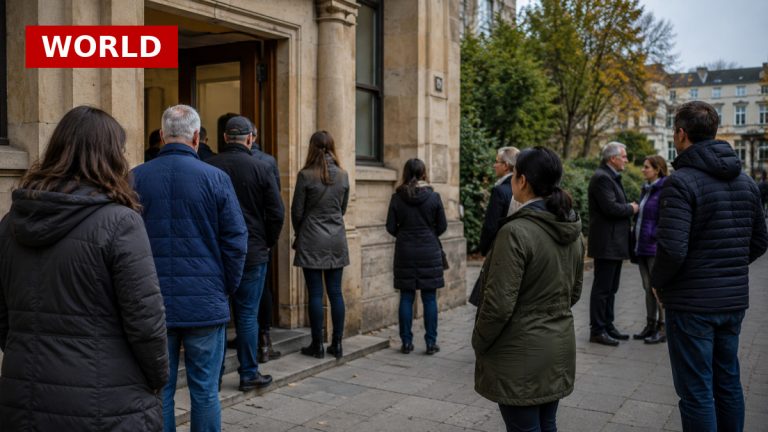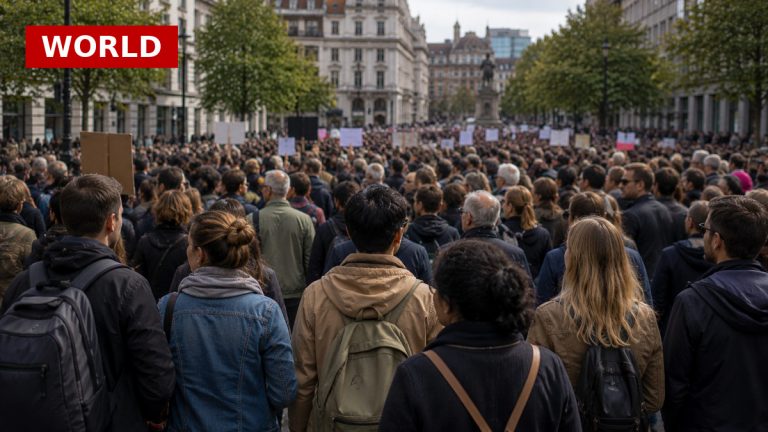
As Tunisia marks five years of emergency rule under President Kais Saied, thousands have taken to the streets of Tunis demanding his resignation. The protests, which echo the revolutionary spirit of 2011, are driven by widespread dissatisfaction with deteriorating living conditions and perceived democratic backsliding. Demonstrators are not just traditional opposition members; they represent a broader discontent among citizens frustrated with economic mismanagement and restrictions on freedoms.
The significance of these protests lies in their potential to reshape Tunisia’s political landscape. With Saied’s government accused of monopolising power and stifling dissent, the growing unity among opposition groups could signal a turning point. The calls for accountability and the release of political prisoners highlight the urgent need for a return to democratic norms, which many fear are being eroded.
Moreover, the protests reflect a critical moment for Tunisia’s economy, which has struggled under Saied’s rule. As citizens rally for ‘freedom, work, and national dignity’, the implications for public services and economic policies could be profound. If the government fails to address these issues, it risks further unrest and instability.
The outcome of these demonstrations may not only affect Tunisia but could also resonate across the region, serving as a warning to other leaders about the consequences of ignoring public sentiment. As the situation unfolds, the international community will be watching closely, aware that Tunisia’s democratic journey is at a crossroads.
Source: Al Jazeera