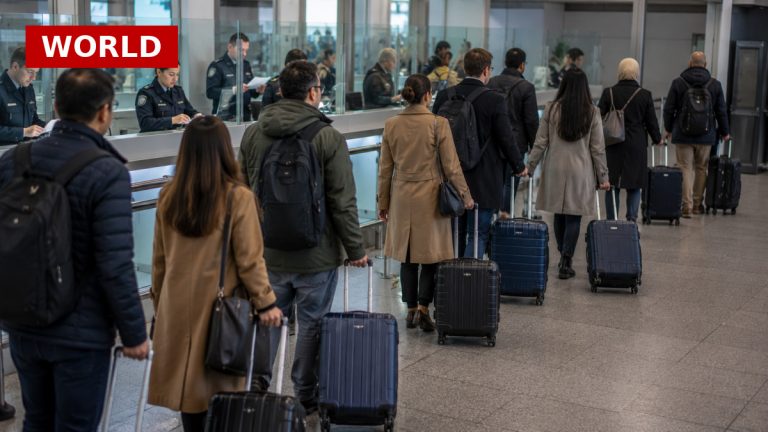
The U.S. State Department’s decision to reduce the number of embassies in Africa processing visas from nearly 50 to just 20 will have significant implications for many applicants. This change, expected to take effect soon, means that individuals from non-hub countries will need to travel potentially long distances to access visa services, incurring additional costs and logistical challenges.
This move is part of a broader strategy to limit immigration and tighten visa issuance, which could lead to longer wait times and increased barriers for those seeking to travel to the U.S. The consolidation of services into fewer locations raises concerns about accessibility, particularly for those in remote areas who may struggle to reach these hubs.
Moreover, the reduction in consular operations could exacerbate existing issues, such as the impact of travel bans and health crises like Ebola, which have already strained visa processing capabilities. As a result, applicants may face not only financial burdens but also delays in their travel plans, affecting personal and professional opportunities.
In the long term, this shift may alter the dynamics of U.S.-Africa relations, as fewer visa processing locations could discourage travel and exchange between the regions. The implications of this policy change extend beyond immediate logistical challenges, potentially reshaping how individuals from Africa engage with the U.S. in the future.
Source: PBS News