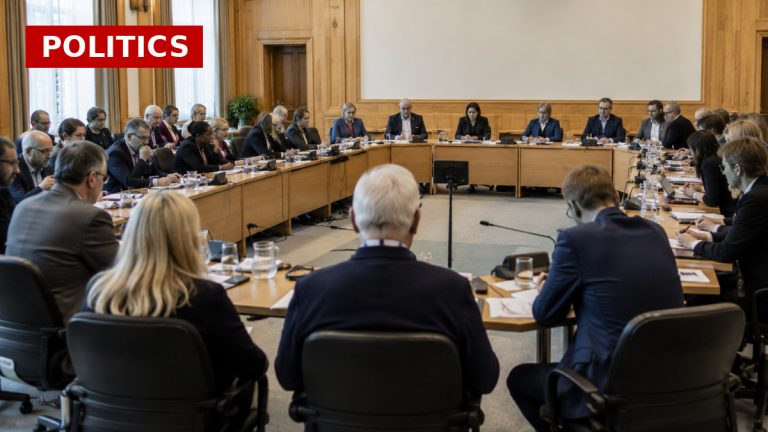
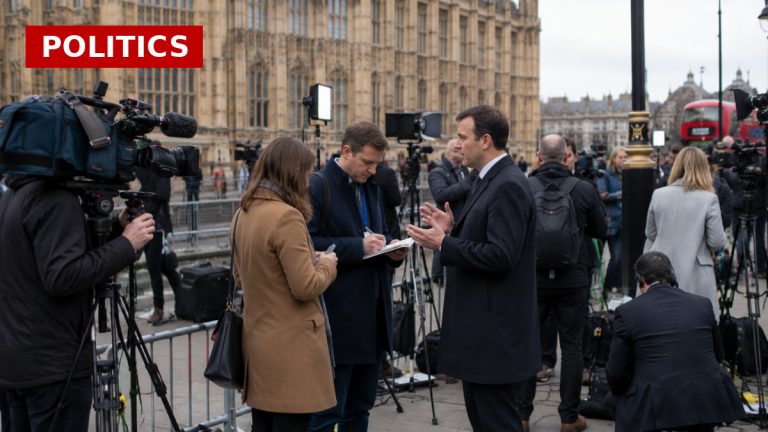
The leaders of Scotland, Wales, and Northern Ireland have convened to discuss their nations’ future, asserting a collective right to self-determination. This meeting, held in Cardiff, marks a significant moment as the leaders, representing their parties rather than their governments, signed an agreement that challenges Westminster’s authority over their democratic choices.
The agreement emphasizes that no UK government should impede the democratic process, highlighting a growing sentiment among these nations to pursue independence or reunification. Scotland’s John Swinney, Wales’ Rhun ap Iorwerth, and Northern Ireland’s Michelle O’Neill are united in their call for referendums, although they differ on timelines and methods.
This development could reshape the political landscape in the UK, as calls for independence gain momentum. The implications extend beyond politics; they could affect economic policies, social cohesion, and international relations, particularly with the EU, which these leaders believe their nations should rejoin.
As these discussions unfold, the potential for constitutional change looms large, prompting questions about the future of the UK itself. The differing approaches to self-determination among the parties reflect a complex and evolving narrative that could redefine national identities and governance in the coming years.
Source: Euronews