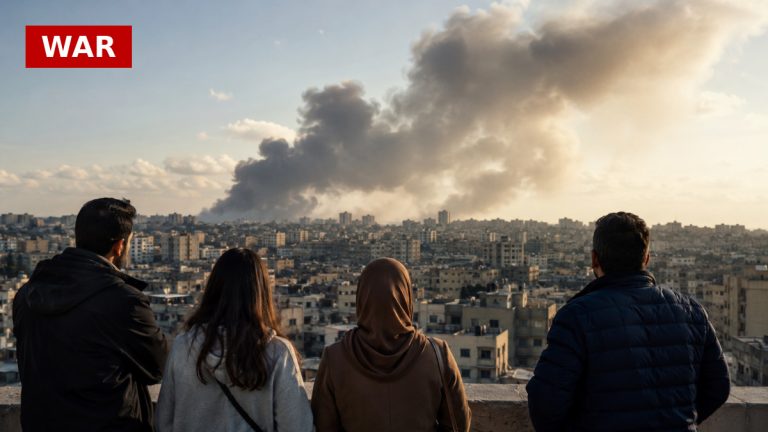
The United Nations has added Israel to its blacklist for conflict-related sexual violence, a move that has sparked outrage from Israeli officials. The Israeli ambassador to the UN announced that the country would sever ties with UN Secretary-General Antonio Guterres, condemning the decision as politically motivated and unfounded. This marks a significant escalation in tensions between Israel and the UN, particularly following the recent conflict in Gaza, which has drawn international scrutiny over human rights violations.
The UN’s report cites credible allegations of sexual violence committed by Israeli security forces against Palestinian detainees, a claim that has been met with vehement denial from Israeli authorities. They argue that the UN’s actions are part of a broader pattern of bias against Israel, further complicating the already fraught relationship between the two.
For ordinary UK citizens, this development may seem distant, but it highlights the ongoing complexities of international relations and human rights issues that can have far-reaching implications. As the UK government navigates its own foreign policy, public opinion may increasingly demand accountability and transparency regarding its stance on Israel and Palestine.
Moreover, this situation could influence discussions around international aid and support for conflict resolution efforts, potentially affecting how the UK engages with both Israel and Palestinian authorities in the future. The ramifications of the UN’s decision may resonate beyond diplomatic circles, impacting humanitarian efforts and international law discussions.
Source: Al Jazeera