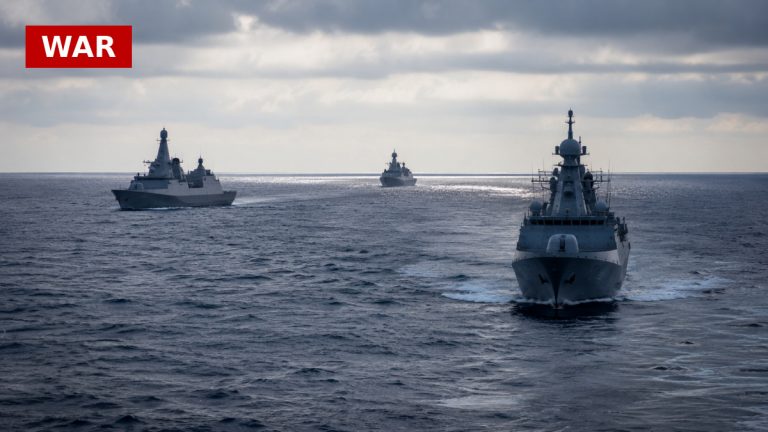
The recent tentative agreement between Iran and the United States, brokered by Pakistan, aims to end hostilities that have escalated into a regional conflict. While both nations celebrate this as a victory, the specifics of the deal remain undisclosed, raising questions about its long-term implications.
A key aspect of the deal involves the simultaneous lifting of Iran’s closure of the Strait of Hormuz and the U.S. blockade of Iranian ports. This could significantly influence global oil prices, as the strait is a crucial passage for a fifth of the world’s oil supply. The reopening may alleviate some inflationary pressures that have affected economies worldwide, particularly the U.S., where fuel prices have surged.
However, the agreement’s effectiveness hinges on the upcoming negotiations regarding Iran’s nuclear program and the potential lifting of sanctions. The timeline for these discussions is set for 60 days, with the possibility of extension if progress is made. The deal’s silence on Iran’s missile program and its support for regional allies like Hezbollah could pose risks, as these issues remain critical to U.S. and Israeli security concerns.
Ultimately, while the deal may restore some pre-war economic conditions, its success will depend on how well it addresses the underlying tensions and whether it can prevent further military escalations in the region.
Source: PBS News