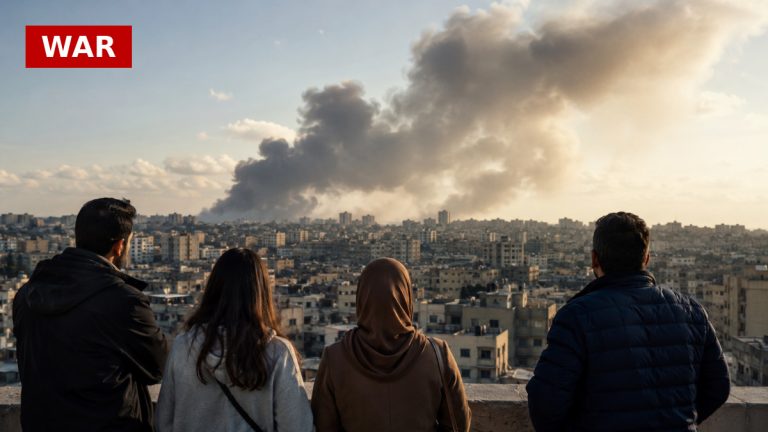
Yemen’s internationally recognised government has intensified its air campaign against Houthi positions, marking a significant escalation in the ongoing conflict. This comes as Houthi forces launch a major offensive towards the strategic Bab al-Mandeb Strait, a crucial shipping route. The government’s air strikes, which included at least 15 attacks on Houthi targets, signal a shift in military strategy, moving away from reliance on Saudi-led coalition support.
The renewed fighting has resulted in some of the deadliest clashes in years, with over 120 fighters reported killed since the offensive began. Civilians have also suffered casualties, highlighting the conflict’s toll on everyday life in Yemen. The Houthis’ advances threaten not only government-held territories but also international shipping, as they seek to control areas overlooking the Red Sea.
This escalation occurs against a backdrop of heightened regional tensions, particularly with the ongoing US-Israel conflict with Iran. The Houthis’ maritime blockade declaration against Saudi Arabia further complicates the situation, potentially disrupting global shipping routes. The implications of increased Houthi influence in the region could reverberate far beyond Yemen, affecting international trade and security.
As the fragile truce established in 2022 continues to unravel, the situation remains precarious. The government’s air power, once largely supported by external forces, is now being showcased as a critical element in the fight against the Houthis. The outcome of this renewed conflict could reshape the balance of power in Yemen and impact regional stability significantly.
Source: Al Jazeera