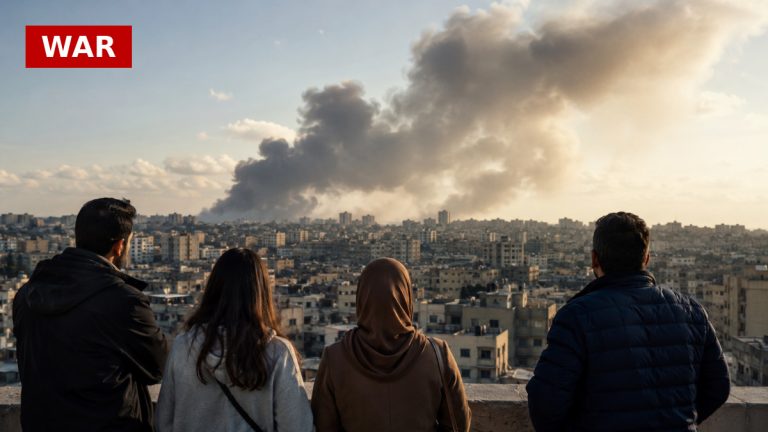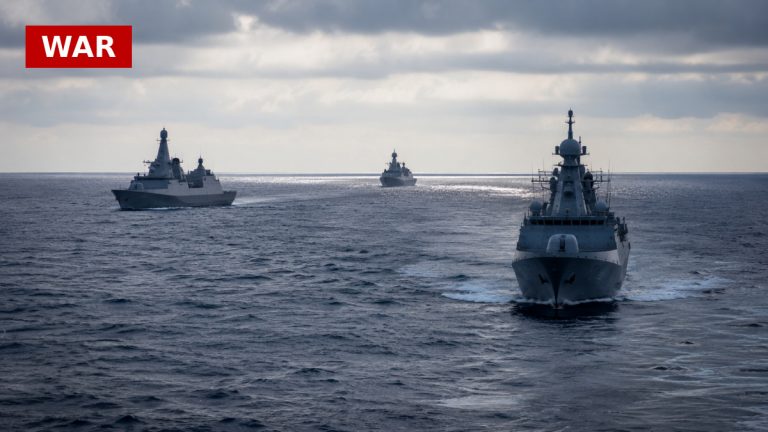
The ongoing war between the US and Iran, now six months in, has far-reaching implications that extend beyond immediate military objectives. While the US aimed to dismantle Iran’s nuclear capabilities and assert control over strategic oil routes, the reality reveals a complex landscape where many goals remain unfulfilled. The conflict has not only resulted in significant loss of life but has also triggered a global oil supply crisis, affecting economies worldwide, including the UK.
Despite claims of military success, Iran’s nuclear program persists, and its influence in the region remains intact. The US’s failure to achieve regime change or to significantly disrupt Iran’s support for armed groups highlights a miscalculation in strategy. The war has also led to a realignment of global alliances, with countries reassessing their positions in light of the conflict’s developments.
As the US continues to engage militarily, the potential for further escalation looms large. The absence of clear objectives and the failure to control Iranian territory suggest that the conflict may drag on, with unpredictable consequences for international stability. The ongoing situation raises questions about the effectiveness of military intervention as a tool for achieving foreign policy goals.
For the UK, the implications are profound. Rising oil prices and the potential for increased geopolitical tensions could impact household finances and energy security. As the situation evolves, the UK must navigate these challenges while considering its own strategic interests in the region.
Source: Al Jazeera