The ongoing conflict between the United States and Iran has intensified, with both nations exchanging fire for the third time recently. This escalation comes as peace negotiations struggle, with Tehran accusing Washington of making contradictory demands, complicating efforts to secure a lasting ceasefire. The US military has conducted self-defense strikes against Iranian targets, while Iran has retaliated with missile and drone attacks, raising concerns about the stability of the region.
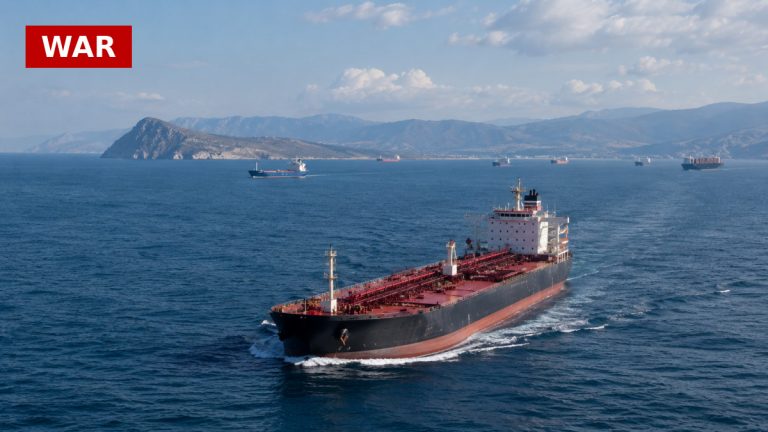
Despite the fragile ceasefire established in early April, the situation remains precarious. Iran’s Foreign Ministry has expressed skepticism about ongoing communications with the US, highlighting a lack of trust and the potential for further conflict. The US has proposed extending the ceasefire and reopening the Strait of Hormuz, crucial for global oil shipping, but disagreements over nuclear negotiations and military actions continue to hinder progress.
The implications of this conflict extend beyond the immediate military actions. A prolonged standoff could disrupt global oil markets, affecting prices and supply chains, while also impacting diplomatic relations in the Middle East. The situation underscores the delicate balance of power in the region and the potential for broader geopolitical ramifications if negotiations fail.
As both sides navigate these tensions, the future of peace in the region hangs in the balance. The ongoing exchanges of fire serve as a reminder of the volatility in US-Iran relations and the urgent need for a diplomatic resolution to prevent further escalation.
Source: Radio Free Europe/Radio Liberty