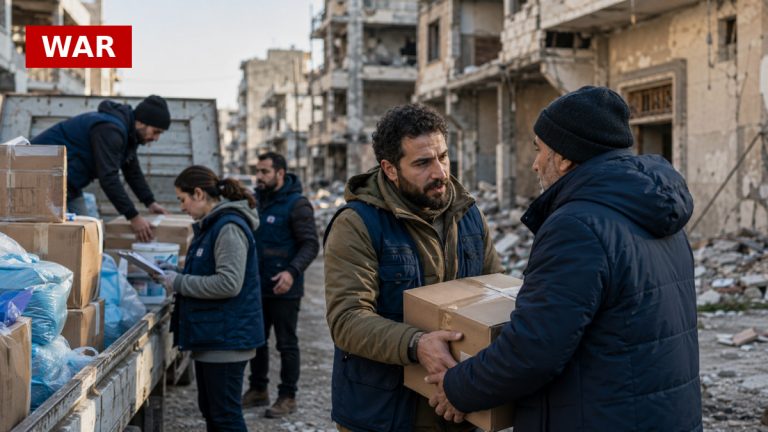
The recent US military strikes on Iran’s water facilities have raised significant concerns about the humanitarian impact of such actions. With Iran already grappling with severe water shortages due to prolonged drought and mismanagement, the destruction of water reservoirs threatens the livelihoods of thousands. The targeted reservoirs supplied drinking water to over 20,000 residents, exacerbating an already critical situation.
This attack marks a troubling precedent in warfare, as international humanitarian law protects civilian infrastructure, including water supplies. The US justification of these strikes as self-defence against Iranian aggression overlooks the potential for disproportionate suffering among civilians, a violation of established legal norms.
The implications extend beyond immediate damage; they signal a shift in the nature of conflict where civilian needs are increasingly disregarded. As Iran retaliates, the cycle of violence may escalate, further destabilising the region and complicating diplomatic efforts for peace.
The ongoing water crisis in Iran, classified as extremely high stress, underscores the urgent need for international dialogue. Attacking essential infrastructure not only harms civilians but also undermines long-term stability in the region, raising questions about the future of humanitarian law in conflict zones.
Source: Al Jazeera