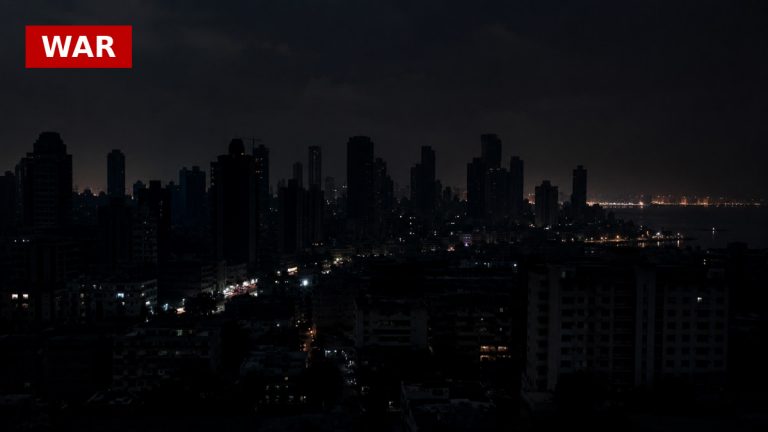
The recent Iranian missile strikes targeting US allies in the Middle East have significant implications for regional stability. Two US troops have already been killed in Jordan amidst a wider escalation of hostilities. The Iranian Revolutionary Guard Corps claims these attacks are a response to US military actions that have targeted Iranian infrastructure, highlighting a dangerous cycle of retaliation that could spiral out of control.
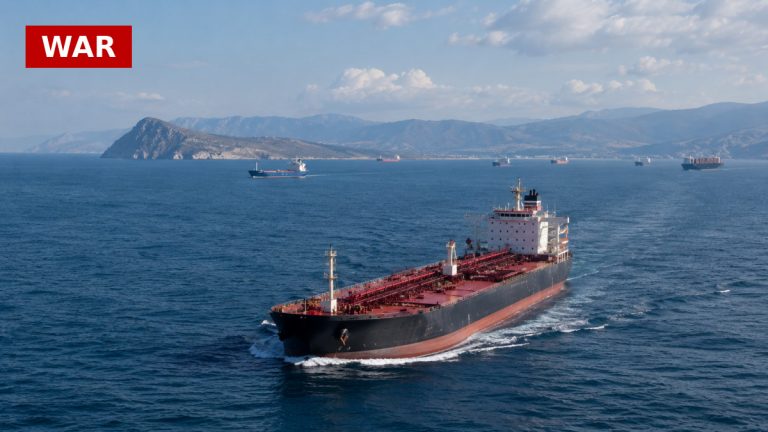
The impact of these attacks extends beyond immediate military concerns, potentially affecting global oil supplies and prices. Kuwait has reported damage to vital infrastructure, including desalination plants, which are crucial for its water supply. This raises fears not only of humanitarian crises but also of economic repercussions for countries relying on oil exports from the region.
Moreover, the conflict has drawn in multiple nations, with Bahrain and Kuwait also experiencing direct threats. The activation of air sirens and missile interceptions indicate a heightened state of alert, suggesting that civilian areas are increasingly at risk. Such developments may prompt shifts in military alliances and strategies among Gulf states, impacting long-term geopolitical dynamics.
As the US continues its military operations against Iran, the potential for broader conflict looms large. Analysts are warning that if the cycle of retaliatory strikes continues, it could lead to a full-scale war with far-reaching consequences for international security and economic stability, particularly in energy markets.
Source: The Guardian