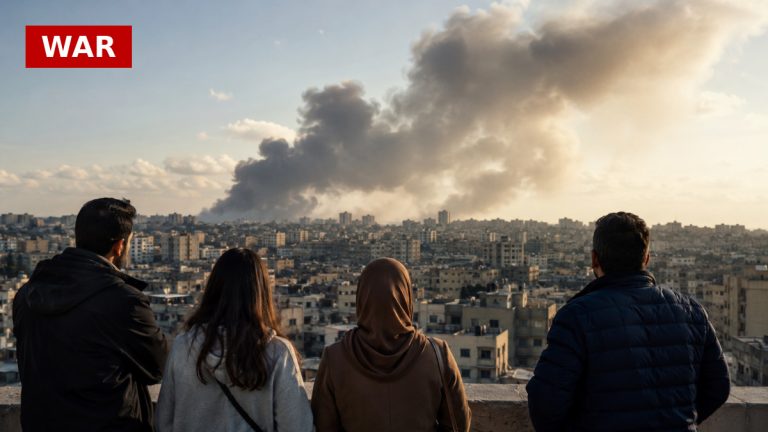
Russia’s recent strikes on Kyiv, which resulted in casualties, underscore the ongoing volatility of the conflict as Ukraine faces both external aggression and internal political unrest. The attacks came just after Ukraine targeted Russian e-commerce warehouses, marking a significant escalation in retaliatory measures. This cycle of violence not only affects military strategies but also impacts civilian life, as daily routines are disrupted by air raid alerts and the threat of missile strikes.
The bombardment reflects a broader trend of increasing Ukrainian drone operations aimed at Russian infrastructure, which Kyiv claims are essential for military logistics. This strategy, termed ‘long-range sanctions’, aims to cripple Russia’s supply chains and has already led to significant disruptions in fuel supplies, affecting ordinary Russians.
Moreover, the political landscape in Ukraine is shifting, with public protests arising from the recent dismissal of a popular defence minister. This internal strife could hinder Ukraine’s military effectiveness as it grapples with both external threats and the need for cohesive leadership.
As the conflict continues, the implications for everyday life in Ukraine are profound, with citizens facing the dual pressures of war and political instability. The situation remains fluid, and the outcomes of these developments could reshape the future of the region significantly.
Source: France 24