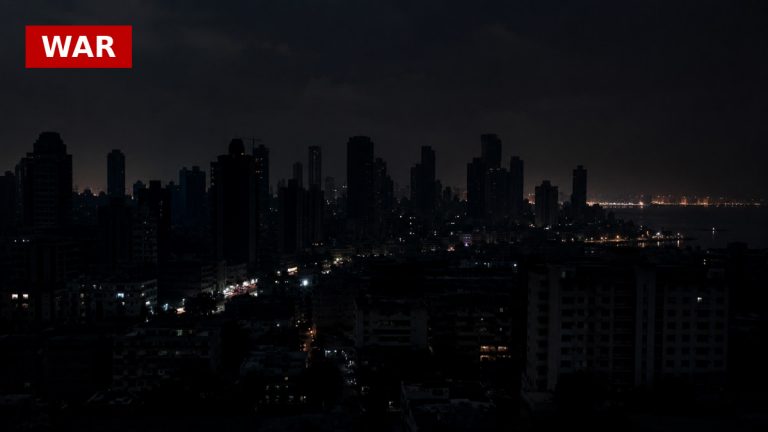
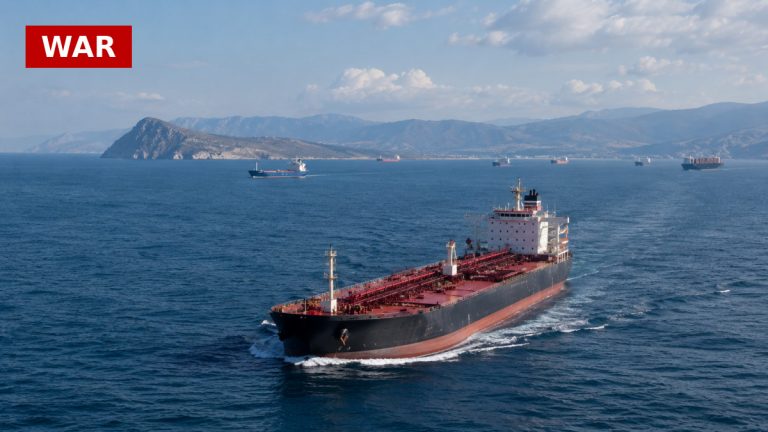
Iran’s recent missile and drone strikes on US military bases in Bahrain and Kuwait mark a significant escalation in regional tensions. This retaliation comes after renewed US strikes on Iranian positions, raising concerns about the stability of the Gulf region and the security of vital shipping routes. The Strait of Hormuz, through which a substantial portion of the world’s oil flows, is now under heightened threat, potentially impacting global energy prices and supply chains.
The situation is further complicated by former President Trump’s warnings of ‘much worse’ consequences if Iran continues its aggressive actions. His comments suggest a potential for increased military engagement, which could lead to broader conflict in the region. This escalation not only affects military dynamics but also has economic implications, as fluctuations in oil prices can ripple through global markets, affecting household finances and energy costs in the UK.
Moreover, the response from Iran’s Revolutionary Guards indicates a willingness to expand their military actions if provoked, which could lead to a cycle of retaliation that destabilizes the region further. The international community, including mediators from Pakistan and Qatar, is calling for de-escalation, but the path to peace appears fraught with challenges.
As the situation develops, UK citizens should be aware of the potential for increased energy costs and the broader implications for international relations. The interconnectedness of global markets means that events in the Gulf can have direct effects on daily life in the UK, from fuel prices to geopolitical stability.
Source: Euronews