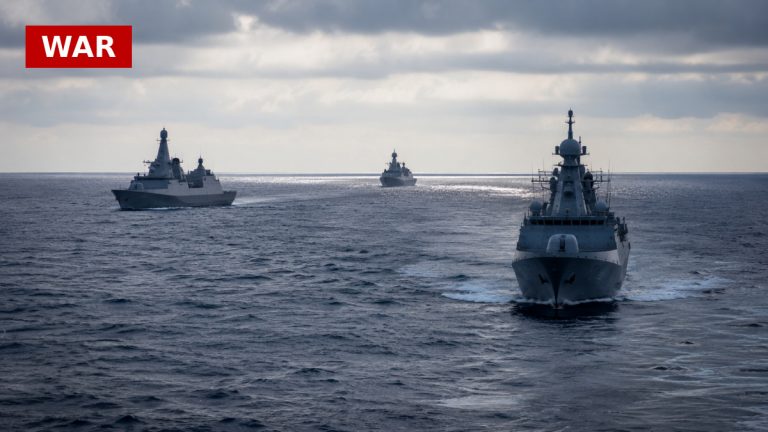
The ongoing conflict between the U.S. and Iran over the Strait of Hormuz is intensifying, with both sides refusing to back down. This crucial oil shipping corridor sees about a fifth of the world’s oil pass through, making its control vital for global energy security. The U.S. has ramped up airstrikes in response to Iranian aggression, but this strategy raises questions about its effectiveness and potential long-term consequences.
As the U.S. continues military operations, rising gasoline prices are becoming a concern for American households, particularly with midterm elections approaching. The situation is precarious, as both nations appear to be locked in a cycle of escalation that could lead to all-out war, complicating diplomatic efforts that are already strained.
Experts warn that relying solely on air power may not yield the desired results, as previous military actions have shown limited success in compelling Iran to change its behaviour. The potential for ground troop deployment remains unpopular, leaving the U.S. in a challenging position with few viable options for de-escalation.
The implications of this conflict extend beyond military strategy; they could reshape energy markets and influence global political dynamics. As tensions rise, the ripple effects may be felt in economies worldwide, highlighting the interconnectedness of international relations and energy security.
Source: PBS News