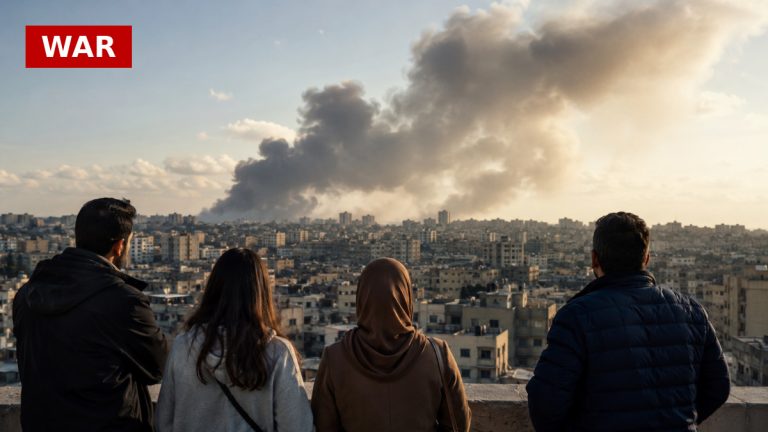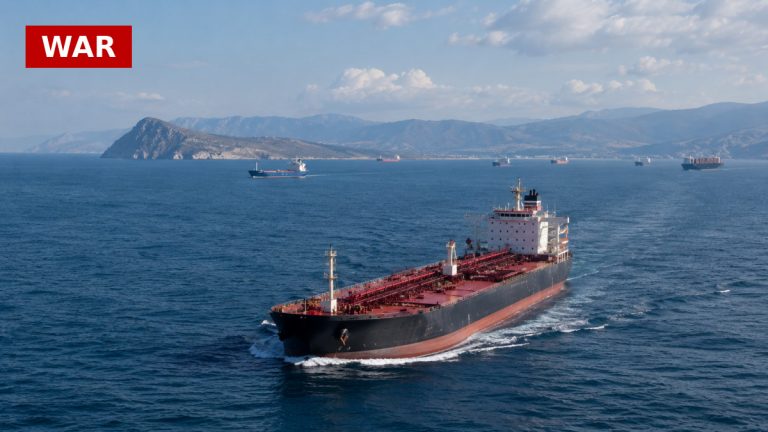
The U.S. military has launched its 13th night of strikes against Iran, intensifying a conflict that threatens global shipping routes and economic stability. These attacks aim to diminish Iran’s capacity to threaten civilian vessels in the strategically vital Strait of Hormuz, through which a significant portion of the world’s oil transits. As tensions rise, the price of Brent crude oil has surged past $100 a barrel, reflecting market anxiety over potential disruptions in oil supply.
The situation is further complicated by Yemen’s Iran-backed Houthi rebels attacking Saudi oil tankers, which could escalate the conflict and lead to broader regional instability. The Houthis’ threats to disrupt key trade routes come at a time when the global economy is already grappling with rising energy costs and supply chain challenges.
Diplomatic efforts are underway, with Iraq’s Prime Minister calling for dialogue between the U.S. and Iran. However, regional leaders express growing pessimism about achieving peace, as military actions continue to escalate. U.N. Secretary-General Antonio Guterres has warned that the region is spiraling into a cycle of confrontation, urging for a diplomatic resolution to prevent further escalation.
As the conflict unfolds, the implications for everyday consumers are significant. Rising oil prices could lead to increased fuel costs, affecting household budgets and transportation expenses across the UK and beyond. The ongoing military actions and their economic fallout highlight the interconnectedness of global events and their direct impact on daily life.
Source: PBS News