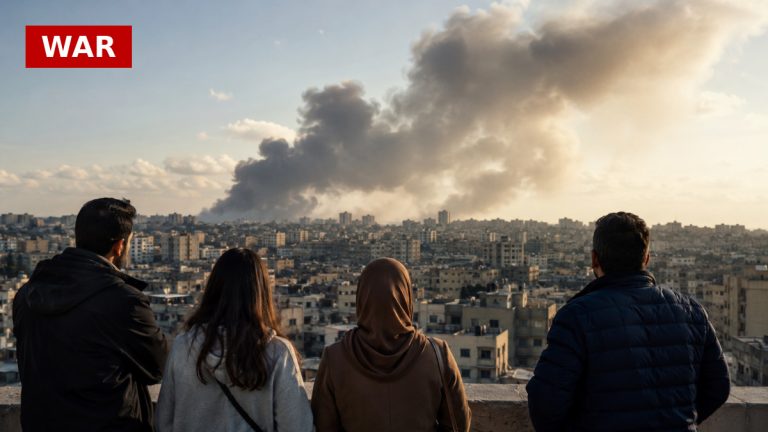
The recent escalation of military strikes between the US and Iran has raised significant concerns regarding the targeting of civilian infrastructure. Both nations have claimed their attacks are aimed at military objectives, yet many strikes have hit roads, bridges, and power plants, which are classified as civilian sites under international law. This raises questions about potential violations of the Geneva Conventions, which prohibit attacks on civilian objects unless they are being used for military purposes.
As the conflict intensifies, the implications for civilians are dire. Reports indicate that at least 50 people have died and hundreds have been injured in Iran since hostilities resumed. The destruction of essential infrastructure not only causes immediate harm but also disrupts daily life, affecting access to water, electricity, and healthcare. The long-term impact on civilian populations could be devastating, leading to humanitarian crises in the region.
Legal experts warn that the thin line between military necessity and civilian protection complicates the situation. Attacks deemed indiscriminate can be prosecuted as war crimes, and the justification of targeting dual-use infrastructure can lead to significant civilian casualties. The ongoing conflict highlights the urgent need for adherence to international humanitarian law to protect non-combatants.
With the fragile peace memorandum between the US and Iran now collapsed, the potential for further escalation looms large. The international community is watching closely, as continued violations could have far-reaching consequences not only for the region but also for global stability and security.
Source: Al Jazeera