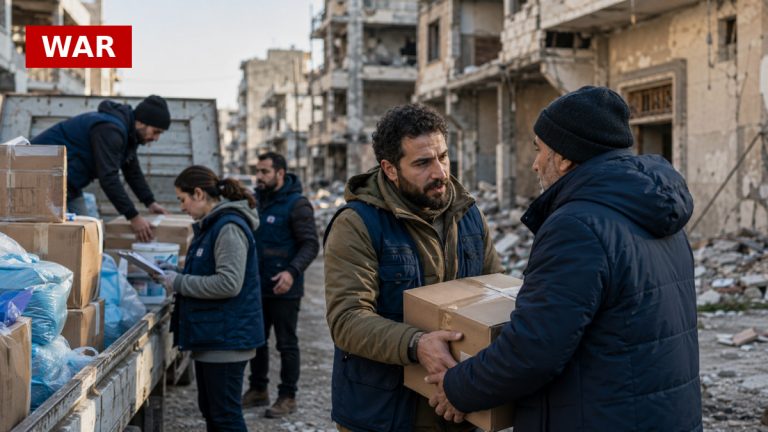
The recent clashes in the northern West Bank, triggered by the killing of an Israeli settler, have led to a significant escalation in violence, resulting in the deaths of two Israeli soldiers and four Palestinians. This surge in hostilities highlights the fragile security situation in the region, exacerbated by the Israeli government’s hard-line stance and increased settlement activity, which many in the international community view as illegal and a barrier to peace.
As Israeli troops are deployed and calls for military action intensify, the potential for further violence looms large. The Israeli Finance Minister’s remarks about treating Palestinian villages like refugee camps signal a troubling shift towards more aggressive military tactics, raising fears of widespread human rights violations. The situation is precarious, with human rights groups warning that the cycle of violence could spiral out of control, leaving millions of Palestinians vulnerable.
The implications of these developments extend beyond immediate violence; they threaten to destabilize the already tenuous peace process and could lead to increased international scrutiny of Israel’s actions. The ongoing conflict may also affect the daily lives of Palestinians and Israelis alike, as security measures tighten and military operations become more frequent.
In the backdrop of these events, the international community’s response will be crucial. As tensions rise, the potential for diplomatic efforts to de-escalate the situation may diminish, leaving both sides to grapple with the consequences of an increasingly militarized environment.
Source: PBS News