The recent raid by Israeli settlers in the occupied West Bank town of Tal has resulted in the deaths of four Palestinians and heightened tensions in the region. This incident is part of a troubling trend, with 86 Palestinians reportedly killed by Israeli forces and settlers in the West Bank this year alone. The violence not only exacerbates the humanitarian crisis but also complicates the already fragile security situation, as Israeli forces impose restrictions on medical access for the injured.
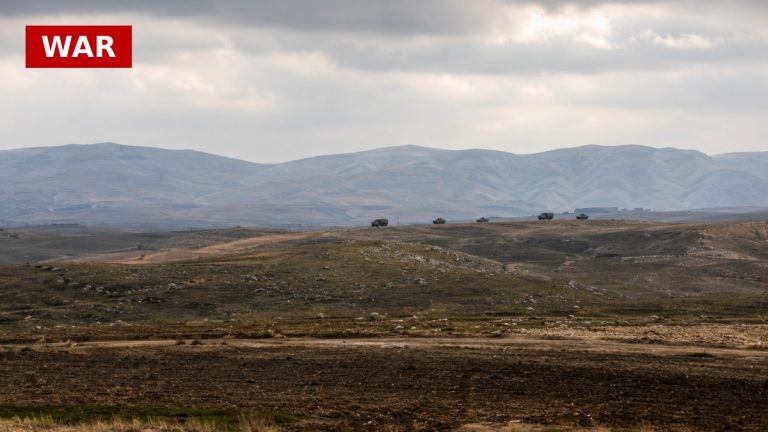
The Israeli military’s response, which included deploying troops to the area, raises questions about the effectiveness of current security measures and the potential for further escalation. The rhetoric from Israeli officials, including Prime Minister Netanyahu’s call for a firm response, suggests a cycle of retaliation that could lead to more violence.
For Palestinians, these events are a stark reminder of the ongoing struggle for safety and sovereignty. The Palestinian foreign ministry’s condemnation of the killings highlights the perception of systemic violence against their communities, which they describe as a continuation of historical injustices.
As the situation develops, the international community’s response will be crucial. The implications of this violence extend beyond immediate casualties, potentially affecting diplomatic relations and peace efforts in the region. Understanding these dynamics is essential for grasping the broader context of the Israeli-Palestinian conflict.
Source: Al Jazeera