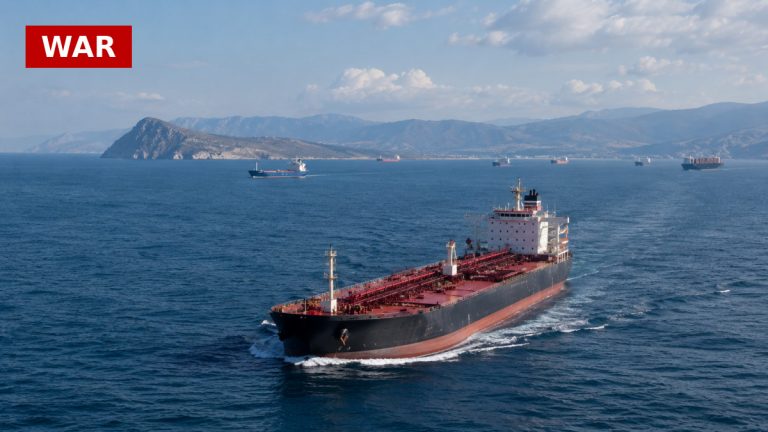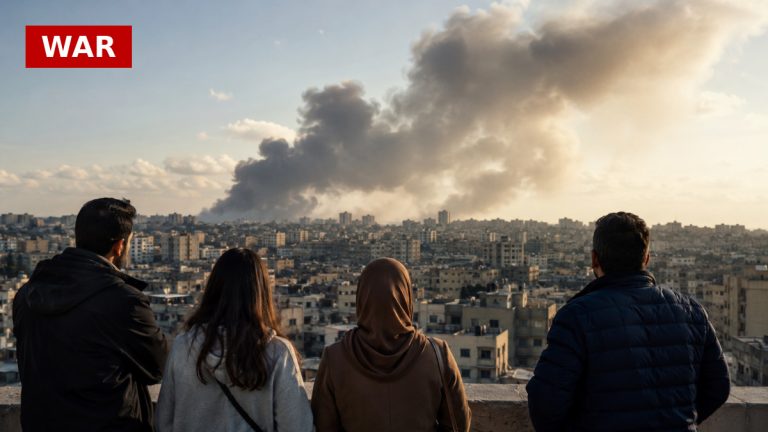
The recent interception of an activist flotilla by Israeli forces highlights ongoing tensions surrounding Gaza and the humanitarian crisis there. While the flotilla aimed to draw attention to the dire conditions faced by Palestinians, Israel’s military response has raised questions about international law and the treatment of peaceful protests. Activists aboard the vessels reported being fired upon and detained, with concerns about their safety and access to legal representation.
This incident not only underscores the complexities of the Israeli-Palestinian conflict but also reflects broader geopolitical dynamics, as various countries, including Italy and Turkey, have voiced their disapproval of Israel’s actions. The flotilla’s organizers argue that their mission was to challenge governmental complicity in the blockade, which they view as a form of collective punishment against civilians in Gaza.
For UK readers, this situation may seem distant, but it serves as a reminder of the interconnectedness of global humanitarian issues and the potential for international diplomatic repercussions. As nations respond to Israel’s actions, the implications for UK foreign policy and public opinion on the conflict could become more pronounced.
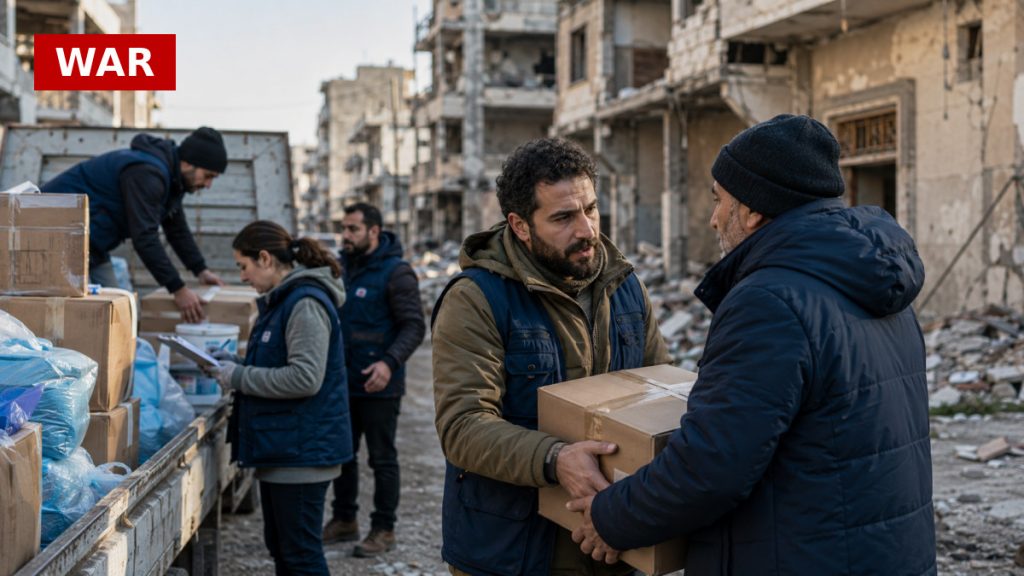
Moreover, the ongoing blockade and military actions in Gaza continue to impact humanitarian aid efforts, which could affect international relations and aid policies. As the situation evolves, it is crucial for citizens to stay informed about how these events may influence the UK’s stance on humanitarian interventions and international law.
Source: PBS News