As the US-Israel war escalates, Iran is intensifying its crackdown on political dissent, leading to a surge in executions. Reports indicate that since February, over 4,000 individuals have been arrested on national-security charges, with at least 21 executed. This alarming trend highlights the Iranian government’s exploitation of international distractions to suppress internal opposition.
The situation is exacerbated by a lack of global attention on human rights violations in Iran. Advocates warn that the climate of fear is growing, with political prisoners facing accelerated court cases and less transparency. This environment allows for swift death sentences, particularly for those involved in protests against the regime.
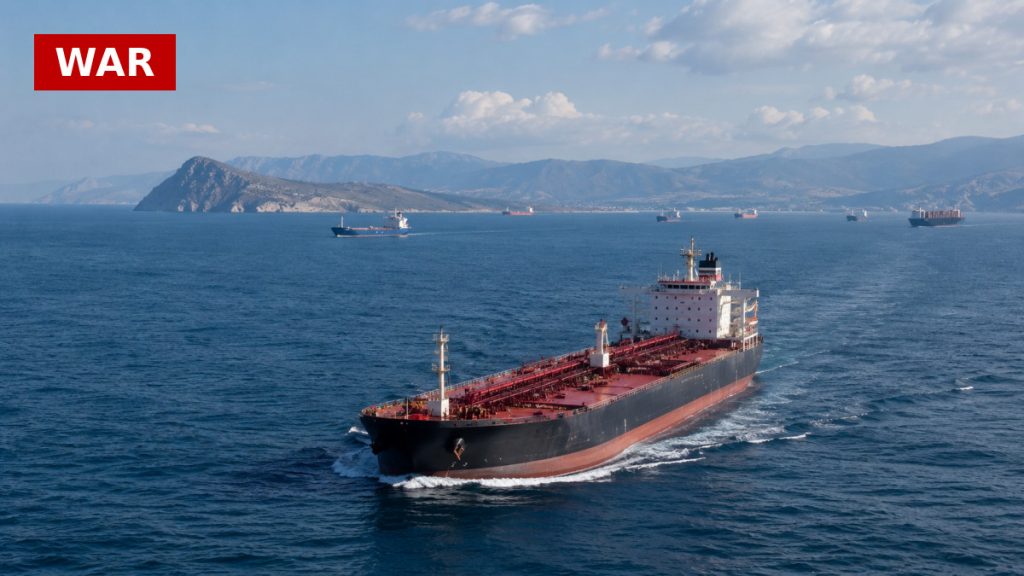
For the UK, this situation signals potential geopolitical ramifications. As Iran’s internal repression escalates, it may lead to increased tensions in the region, affecting oil supply chains and global energy prices. The UK’s energy security could be indirectly impacted, especially if the conflict disrupts shipping routes through the Strait of Hormuz.
Looking ahead, observers should monitor the international community’s response to Iran’s human rights abuses. Increased diplomatic pressure could influence Iran’s actions, but without significant intervention, the cycle of repression and executions may continue, further destabilising the region and impacting global markets.
Sources
DW News