Iran has condemned a recent statement from the Gulf Cooperation Council (GCC) and the United States, labelling it as ‘interventionist’ and ‘provocative’. This response highlights Tehran’s growing frustration with perceived external pressures regarding its missile capabilities and regional influence, particularly following the recent US-Israeli military actions against Iran.
The GCC-US statement, issued after a ministerial meeting, tied any future economic engagement with Iran to strict conditions, reiterating a shared goal of preventing Iran from acquiring nuclear weapons. This stance could complicate diplomatic relations and economic opportunities for Iran, potentially stalling any progress towards a more stable regional economy.
Iran’s Foreign Ministry has pushed back against accusations regarding its nuclear programme, asserting its right to self-defense and questioning the security assurances provided by the US to its Gulf allies. This rhetoric indicates a potential shift in Iran’s diplomatic strategy, as it seeks to assert its sovereignty and regional influence amidst increasing military tensions.
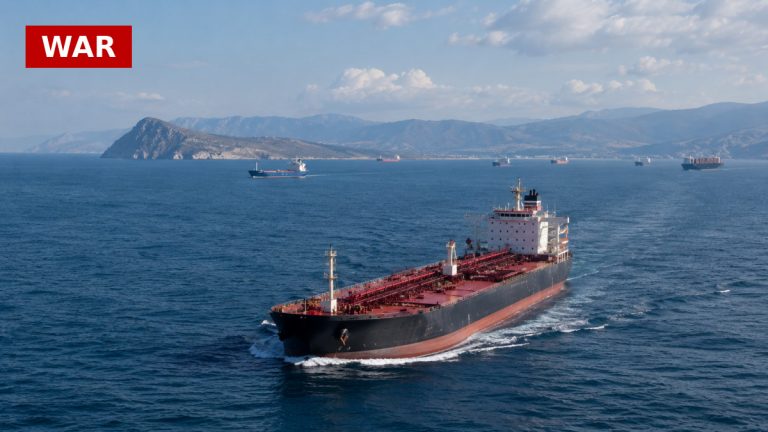
The situation in the Strait of Hormuz remains a critical point of contention, with Iran asserting its territorial rights and warning against external military presence. As the US considers adjustments to its military posture in the Gulf, the implications for regional security and trade routes could be significant, affecting global oil markets and international relations.
Source: Al Jazeera