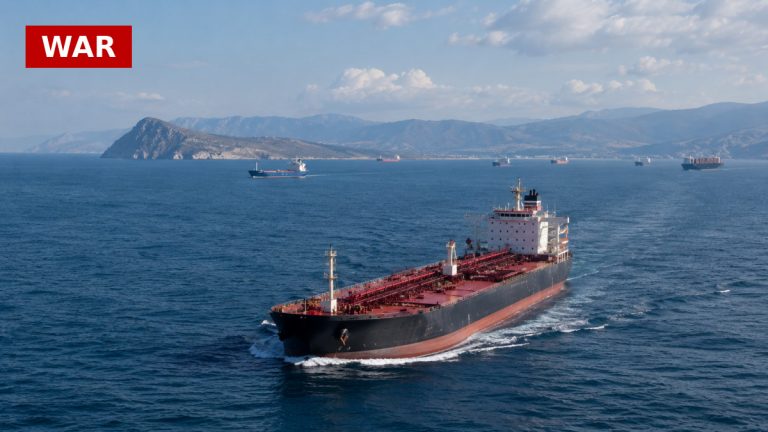
The ongoing conflict involving Iran and its Gulf neighbors has deepened mutual suspicion, which could have lasting implications for regional stability and economic cooperation. As tensions rise, Gulf Cooperation Council (GCC) countries are increasingly vulnerable to Iranian military actions, including missile and drone strikes. This precarious situation not only threatens immediate security but also jeopardizes future trade routes and energy corridors essential for economic growth.
Despite the potential for a negotiated end to hostilities, the GCC states are wary of Iran’s intentions. They demand that Iran curtail its military capabilities before any meaningful diplomatic engagement can occur. This skepticism is likely to hinder trade and infrastructure projects that could benefit both sides, as Gulf states seek to protect their interests from Iranian aggression.
Political analysts suggest that while geography necessitates some level of interaction, genuine trust remains elusive. The GCC’s shared mistrust of Tehran may lead to increased cooperation among Arab states, potentially isolating Iran from emerging economic opportunities. This could result in a colder, more tactical rivalry rather than a genuine reconciliation.
Ultimately, for Iran to rebuild trust with its neighbors, it would need to significantly alter its regional policies and approach to international relations. Until then, the cycle of suspicion and hostility is likely to persist, affecting not just politics but also the economic landscape of the region.
Source: DW News