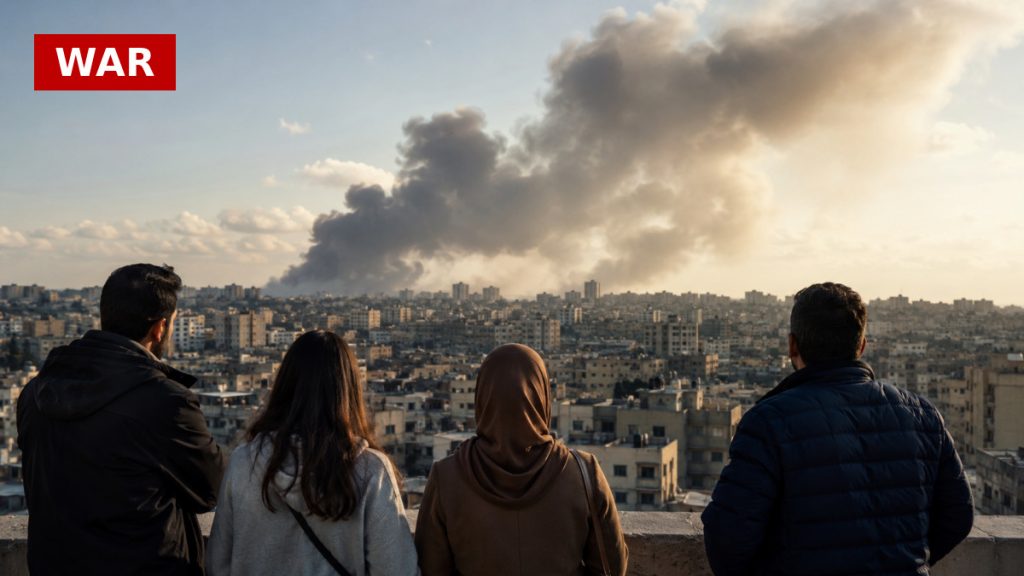
As Iran reviews a US proposal aimed at ending the ongoing conflict, the implications extend beyond the immediate parties involved. The potential for a ceasefire could reshape regional dynamics, particularly concerning oil supply and security in the Strait of Hormuz, a critical shipping route. Any escalation or resolution will likely influence global oil prices, which could affect UK consumers and businesses reliant on stable energy costs.
Pakistan’s role as a mediator highlights the shifting alliances in the region, suggesting that countries like Pakistan may gain diplomatic leverage. This could lead to changes in how the UK engages with these nations, particularly in trade and security partnerships. The UK has interests in maintaining stability in the Middle East, which is vital for its energy security and economic interests.
Moreover, the ongoing tensions and military posturing could lead to increased military presence or sanctions, impacting UK foreign policy decisions. The UK government may need to prepare for potential fallout, including economic repercussions or shifts in immigration patterns from affected regions.
As negotiations progress, the outcome will not only determine the fate of US-Iran relations but could also signal a broader shift in Middle Eastern geopolitics, with implications for UK interests in the region. Keeping an eye on these developments will be crucial for understanding future risks and opportunities.
Source: Al Jazeera