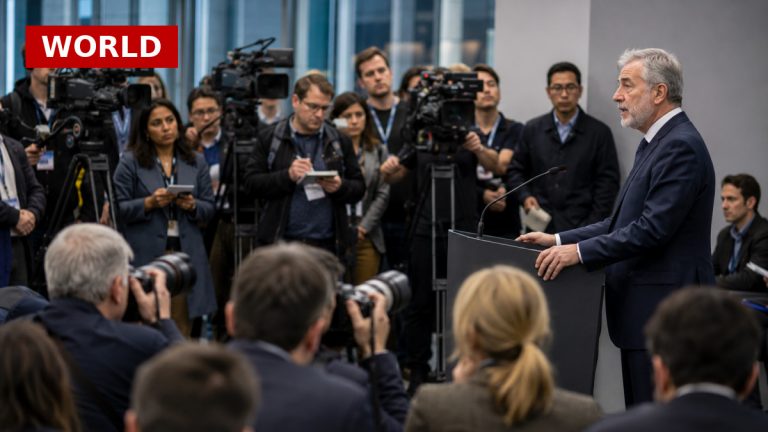
Min Aung Hlaing, Myanmar’s ex-junta chief, is making his first visit to Thailand as a civilian leader, aiming to restore diplomatic ties for his isolated regime. This trip comes after a military coup in 2021 that led to widespread civil unrest and significant loss of life. As Thailand pushes for normalisation of relations, the implications for regional stability and security are profound, especially given the ongoing conflict spilling over into Thai territory.
Hlaing’s visit is not just about diplomacy; it represents a strategic move to gain legitimacy on the international stage. His regime has faced condemnation and sanctions from Western nations, making Thailand’s engagement crucial for Myanmar’s future. The potential for Myanmar’s re-entry into the Association of Southeast Asian Nations (ASEAN) could reshape regional dynamics, offering a pathway for improved relations with other countries, including those in the West.
However, this engagement raises concerns about the message it sends regarding accountability for human rights abuses. Critics argue that welcoming Hlaing undermines efforts to hold him accountable for the military’s actions. The meeting with Thailand’s Prime Minister and participation in a business forum highlight the complexities of balancing diplomatic relations with ethical considerations.
As Myanmar continues to grapple with internal strife and humanitarian crises, the outcomes of this visit could have lasting effects on regional security, refugee flows, and the broader geopolitical landscape in Southeast Asia. The situation remains fluid, and the international community is watching closely as these developments unfold.
Source: Euronews