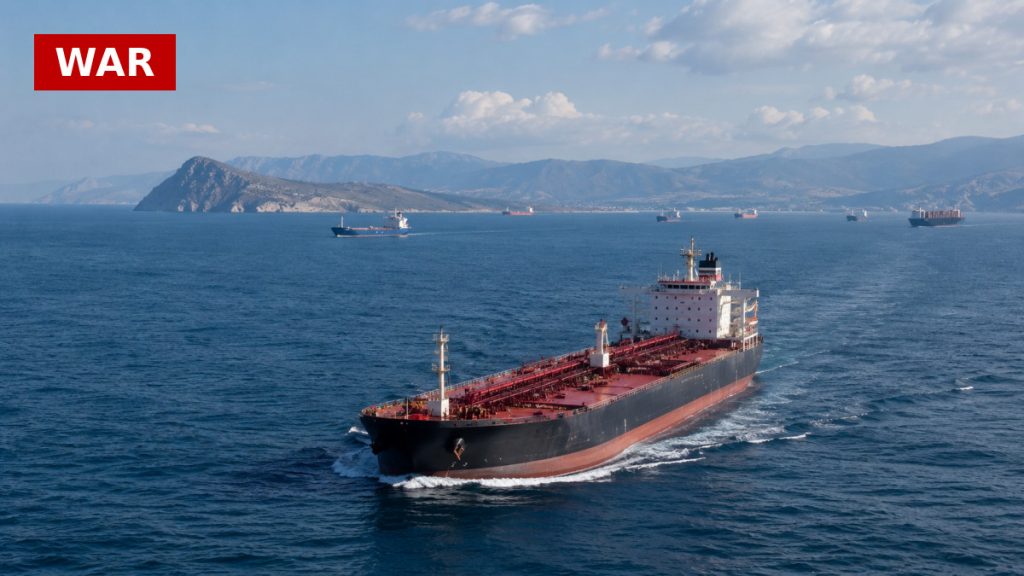
A Russian cargo ship, the Ursa Major, sank in December 2024 while carrying components for nuclear reactors believed to be destined for North Korea. Investigators suggest the ship may have been deliberately sunk by Western forces to prevent the transfer of sensitive technology. This incident highlights the ongoing military cooperation between Russia and North Korea, raising alarms about nuclear proliferation.
For the UK, this situation underscores the potential for increased military tensions in Europe and Asia. The transfer of nuclear technology to North Korea could lead to further destabilisation in the region, impacting global security dynamics. The UK’s involvement in monitoring such developments is crucial, as it may influence diplomatic relations and military strategies.
In the coming months, observers should watch for any changes in military activity around the wreck site, as well as responses from the UK government regarding its stance on nuclear proliferation. Increased military exercises or intelligence operations in the region could signal heightened concerns about North Korea’s capabilities.
Additionally, the UK’s sanctions and diplomatic measures against Russia may evolve in response to these revelations. The implications for international relations and security policies could be significant, affecting how the UK navigates its foreign policy in a rapidly changing geopolitical landscape.
Sources
Euronews