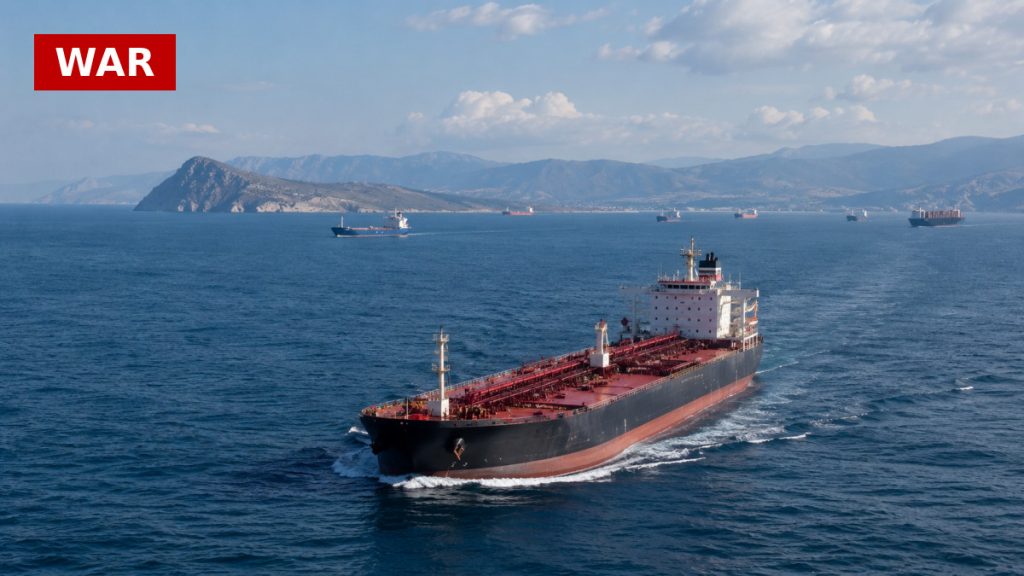
As Pakistan’s army chief, Field Marshal Asim Munir, visits Iran, the implications for global stability are significant. His mediation efforts come at a time when tensions between the US and Iran are high, particularly following the recent closure of the Strait of Hormuz, a crucial shipping lane for oil. This blockade has already begun to affect global energy prices, which could impact UK consumers and businesses reliant on stable fuel costs.
The ongoing negotiations highlight Pakistan’s emerging role as a mediator in a complex geopolitical landscape. While the US has expressed a desire for dialogue, the deep-seated issues between Iran and the US remain unresolved. The potential for sanctions from the EU against Iran could further complicate the situation, affecting international trade and energy supply chains that reach the UK.
For UK readers, this means that the outcomes of these talks could have a direct impact on household energy bills and fuel prices. As the situation evolves, consumers may not immediately notice the effects, but rising energy costs could become a reality if tensions escalate or if sanctions disrupt oil supplies.
In summary, while the mediation efforts may seem distant, they are crucial in shaping the future of energy security and economic stability, both in the UK and globally. Keeping an eye on these developments could help households prepare for potential changes in their financial landscape.
Source: Al Jazeera