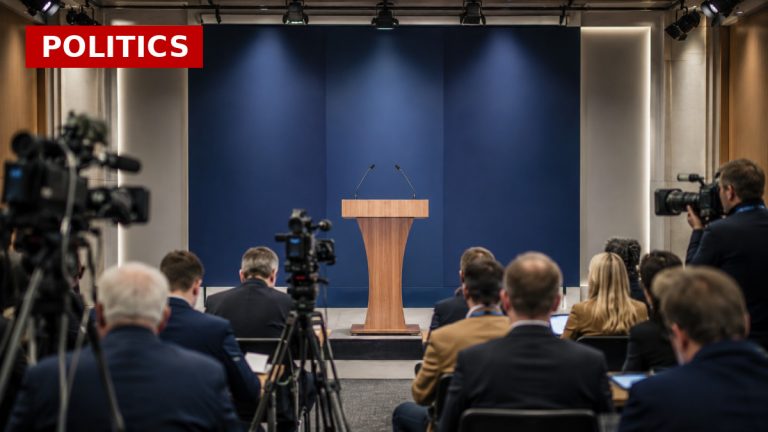
Keir Starmer’s resignation as Prime Minister has set the stage for Andy Burnham to take the helm, marking a significant shift in UK politics. Starmer, who led Labour to a historic victory in 2024, faced mounting pressure and controversies that ultimately led to his departure after just two years in office. His promise to support Burnham highlights a potential continuity in Labour’s approach, but also raises questions about the challenges ahead for the new leader.
Burnham’s ascension comes at a critical time as he becomes the seventh prime minister in a decade, reflecting instability within UK leadership. His previous experience as the mayor of Greater Manchester positions him well, yet the Labour Party’s internal issues may complicate his tenure. The transition is not merely a change in leadership; it signals a potential shift in policy direction and party dynamics.
The political landscape is fraught with challenges, including economic pressures and public expectations. Burnham’s ability to navigate these issues will be closely scrutinised, especially as he inherits a party with a comfortable majority but also significant public scrutiny. The upcoming decisions he makes could redefine Labour’s future and its relationship with the electorate.
As Starmer bids farewell, he leaves behind a legacy of achievements but also a party at a crossroads. The next few months will be crucial for Burnham as he seeks to unify the party and address the pressing concerns facing the nation. The implications of this leadership change will resonate throughout the UK, impacting everything from policy decisions to public sentiment.
Source: Al Jazeera