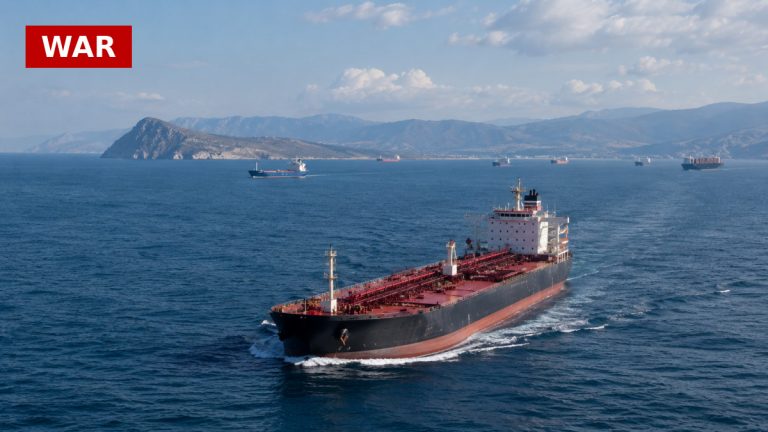
President Trump has called off planned airstrikes on Iran, citing progress in negotiations for a potential deal. This decision marks a significant shift in U.S. military strategy, which had previously escalated tensions in the region. The implications of this reversal could affect global oil markets, as Iran’s oil exports are crucial to international supply chains.
The ongoing negotiations, however, are complicated by Iran’s denial of any finalized agreement. This uncertainty raises questions about the stability of the region and the potential for future conflict. Should talks fail, the U.S. may revert to military action, which could further destabilize the Middle East and impact global energy prices.
Moreover, the situation highlights the delicate balance of power in the region, with U.S. actions influencing not only Iran but also its allies and adversaries. The potential for a deal could reshape diplomatic relations, but the lack of a concrete agreement leaves room for miscalculations that could lead to renewed hostilities.
As the situation develops, the ripple effects on household energy costs and international relations will be closely monitored. The outcome of these negotiations could redefine U.S.-Iran relations and alter the geopolitical landscape significantly.
Source: PBS News