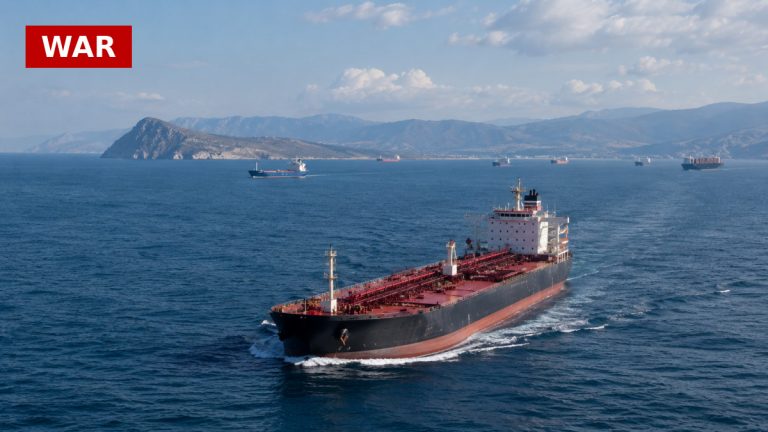
US President Donald Trump has instructed negotiators to take their time in discussions with Iran, signalling that a potential deal is not imminent. This cautious stance comes as the proposed agreement includes a 60-day ceasefire and the reopening of the vital Strait of Hormuz, a key route for global oil transport. The delay in negotiations could maintain current tensions in the region, which have already led to spikes in oil prices worldwide.
The Strait of Hormuz is crucial, with approximately 20% of the world’s oil passing through it. Any uncertainty regarding its accessibility can lead to fluctuations in fuel prices, affecting UK consumers and businesses alike. As negotiations stall, the ongoing blockade of Iranian ports by the US remains in place, further complicating the situation.
While some US lawmakers express concern that the deal may be too lenient on Iran, others argue that a careful approach is necessary to ensure long-term stability. The outcome of these negotiations could have significant implications not just for US-Iran relations, but also for global energy markets, which directly impact household energy bills in the UK.
As the situation develops, UK consumers should be aware that any escalation in tensions or delays in reaching an agreement could lead to continued volatility in oil prices, influencing everything from petrol costs to heating bills. Keeping an eye on these negotiations may be crucial for understanding future financial impacts on everyday life in the UK.
Source: BBC News