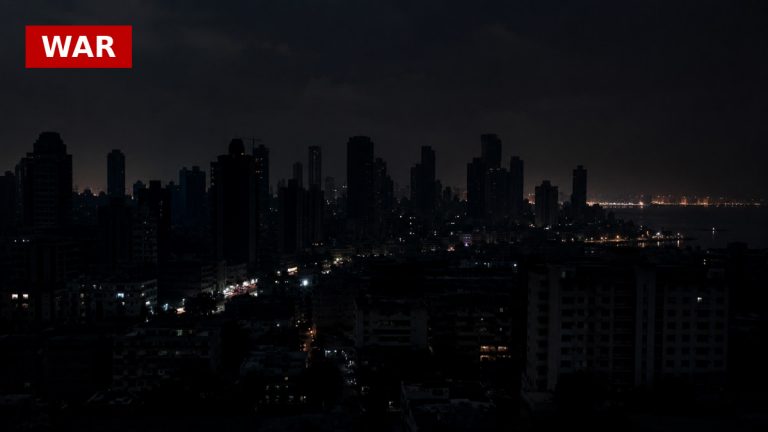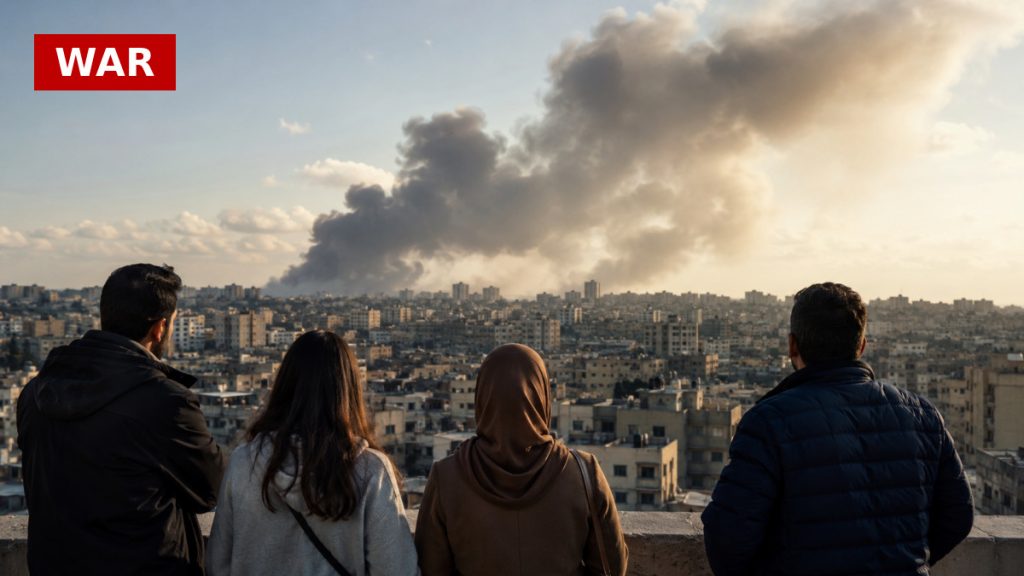
The ongoing conflict between the US and Iran, marked by joint strikes with Israel, has not been officially declared a war, leading to significant implications for military personnel and their families. Vice President JD Vance’s comments suggest that the US government is hesitant to label the situation as a war, despite the reality of ongoing military actions. This ambiguity has resulted in practical issues, such as the denial of death benefits to families of soldiers killed in action, as seen in the case of Libby Klinner, whose husband died in the conflict.
The lack of an official declaration complicates the legal and financial support available to military families, highlighting a disconnect between government policy and the realities faced by those serving. With over 50,000 US service members deployed in the Middle East, the absence of clarity on the conflict’s status raises concerns about the long-term implications for military readiness and support systems.
Moreover, the conflict has contributed to rising gas prices and increased uncertainty in the Middle East, affecting global markets and potentially leading to broader economic repercussions. As tensions continue, the US’s reluctance to formally acknowledge the conflict as a war may hinder diplomatic efforts and prolong hostilities.
As the situation evolves, the implications for both military personnel and the general public remain significant, with potential shifts in policy and economic stability on the horizon. The ongoing strikes against Iranian targets underscore the urgency for a clear resolution, both for the sake of military families and international relations.
Source: Metro