Former President Donald Trump’s recent declaration that Iran is ‘dead’ highlights a significant escalation in rhetoric amid ongoing military clashes. His promise to respond to Iranian attacks on U.S. troops signals a potential shift back to military engagement, despite previous claims of moving towards economic pressure. This renewed aggression raises concerns about the stability of the region and the risk of broader conflict, particularly as the U.S.-Israel war on Iran continues without a clear resolution.
Trump’s assertion that Iran’s leadership is incapable of governing effectively reflects a growing narrative that could influence U.S. foreign policy. By framing Iran as a ‘Failed Nation,’ he may be attempting to justify further military action, which could have dire consequences for both U.S. and Iranian civilians. The mention of war crimes against Iranian leaders also suggests a push for international accountability, complicating diplomatic efforts.
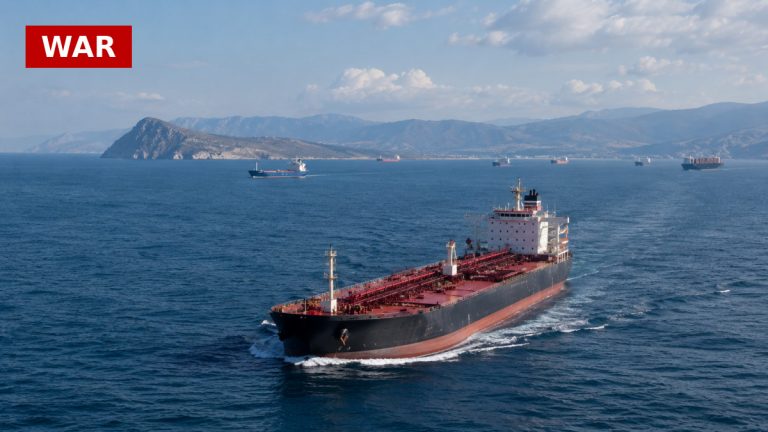
The implications of Trump’s statements extend beyond immediate military responses; they could affect global oil markets and international relations. As tensions rise, the potential for economic sanctions or military strikes could disrupt trade routes, particularly through the strategically vital Strait of Hormuz, where a significant portion of the world’s oil supply is transported.
As the situation develops, the risk of miscalculation increases. Trump’s aggressive stance may embolden hardliners within Iran, leading to further retaliatory actions. The cycle of violence could escalate, impacting not only regional stability but also global security dynamics, as allies and adversaries alike respond to the shifting landscape of U.S.-Iran relations.
Source: Al Jazeera