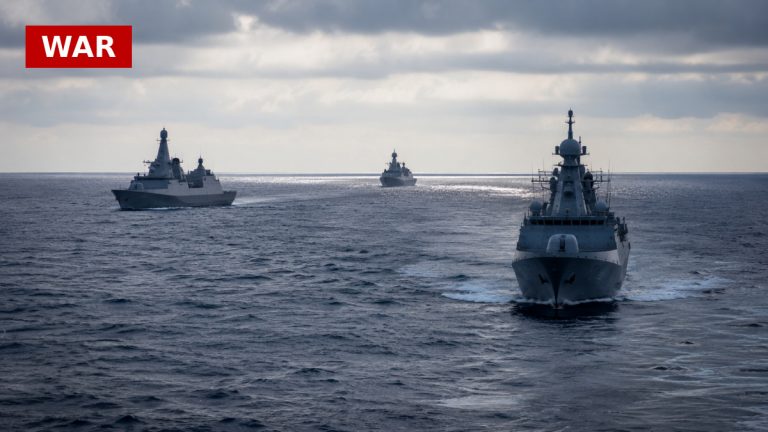
A recent clash between Chinese and Philippine navy personnel in the South China Sea has escalated tensions just before a significant ASEAN summit in Manila. The altercation, which involved physical confrontations, highlights the ongoing territorial disputes in the region, particularly around the contested Second Thomas Shoal. This area is crucial for both nations, with the Philippines maintaining a military presence aboard the BRP Sierra Madre, a grounded warship.
The incident has drawn international attention, with Australia and the US condemning China’s aggressive actions. Australia’s Foreign Minister announced a support package for the Philippine Coast Guard, indicating a shift towards bolstering regional security capabilities. This support underscores the growing concern among allies regarding China’s assertiveness in the South China Sea, a vital global trade route.
The clash not only threatens diplomatic relations but also poses risks to regional stability. The Philippines’ military presence in the area is likely to increase as tensions rise, potentially leading to more confrontations. The situation is further complicated by China’s refusal to acknowledge a 2016 international ruling that invalidated its expansive claims in the region.
As the ASEAN meeting unfolds, the implications of this incident may shape discussions on collective security and maritime cooperation among member states. The outcomes could influence future diplomatic strategies and military posturing in the South China Sea, affecting not just the Philippines and China, but also the broader geopolitical landscape in Southeast Asia.
Source: DW News